

Navigating the logistics landscape in 2026 requires more than just keeping trucks moving – it requires having a secure, strategic place to park them when they stop. As supply chains become faster and freight corridors more congested, demand for dedicated industrial outdoor storage for trucks continues to reach record highs.
For fleet managers and independent drivers alike, securing high-quality yard space is a core operational priority. Whether you manage a nationwide fleet or handle your own rig, this guide breaks down the essential factors to evaluate when selecting secure truck parking and long-term storage facilities.
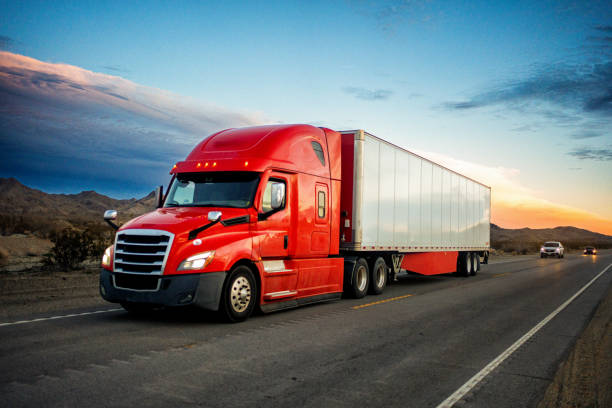
What Defines Quality Industrial Outdoor Storage?
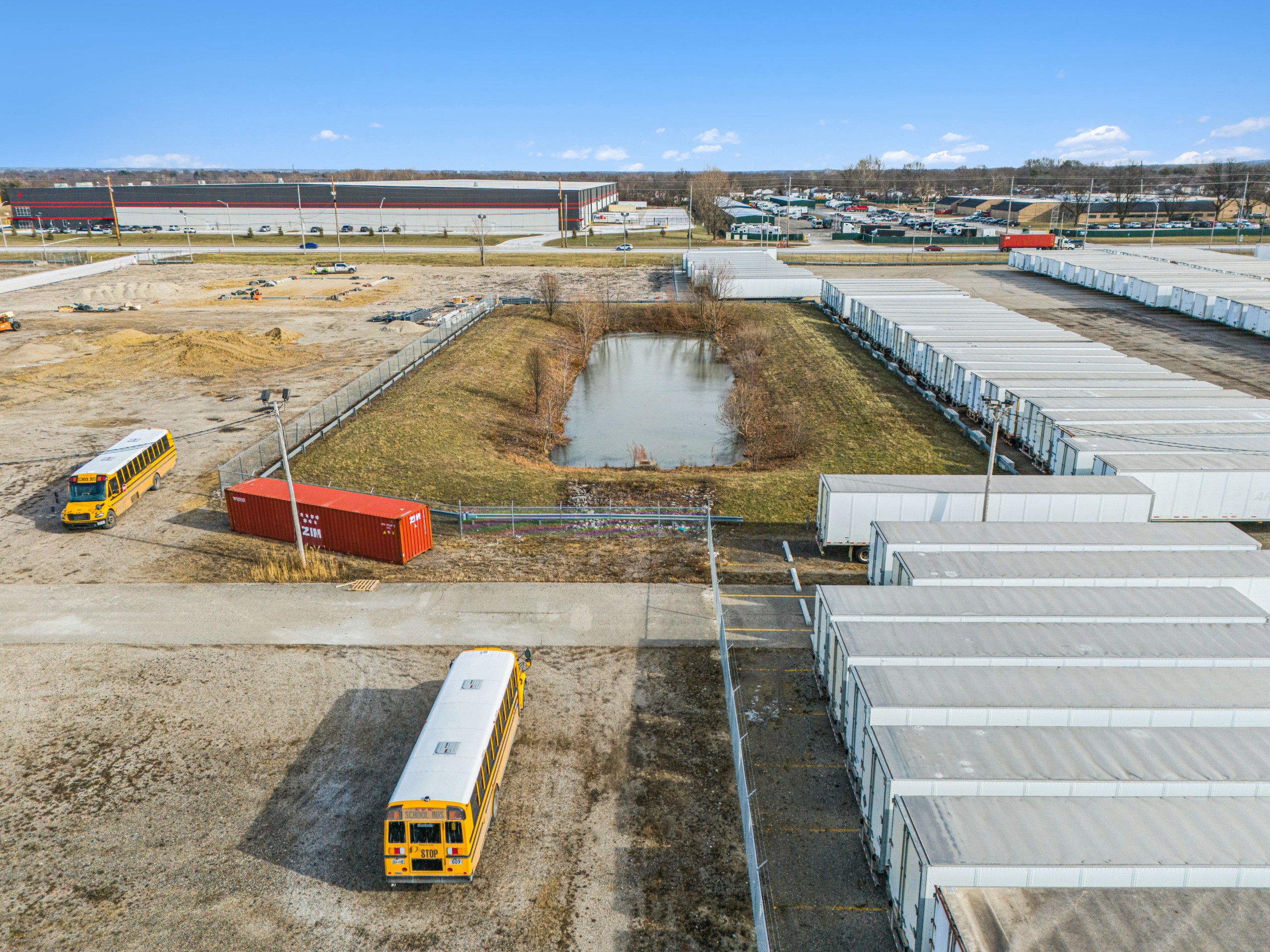
Industrial outdoor storage (IOS) serves as the backbone of modern freight staging. Unlike standard parking spaces, heavy commercial storage sites must support thousands of pounds of rolling machinery, specialized cargo, and constant vehicle traffic.
When evaluating potential storage locations, top-performing operations prioritize three core pillars:
1. Robust Security Infrastructure
A perimeter fence alone is no longer enough to deter modern cargo theft. High-quality gated access facilities incorporate active security measures, including heavy-duty automated entry gates, high-output LED lighting, perimeter fencing, and active monitoring systems. For owner-operator storage and multi-unit fleets, knowing that equipment sits inside a fortified environment provides essential peace of mind during mandatory downtime or staging periods.
2. Strategic Interstate Proximity
Every extra mile driven off a main highway burns fuel, wastes HOS (Hours of Service) clock time, and increases operational wear and tear. Premier interstate storage locations are strategically situated within quick reach of major freight corridors, beltways, and logistics hubs. Quick highway access minimizes deadhead miles and allows drivers to get back on their routes without navigating tight residential or city streets.
3. Versatile Space for Diverse Equipment
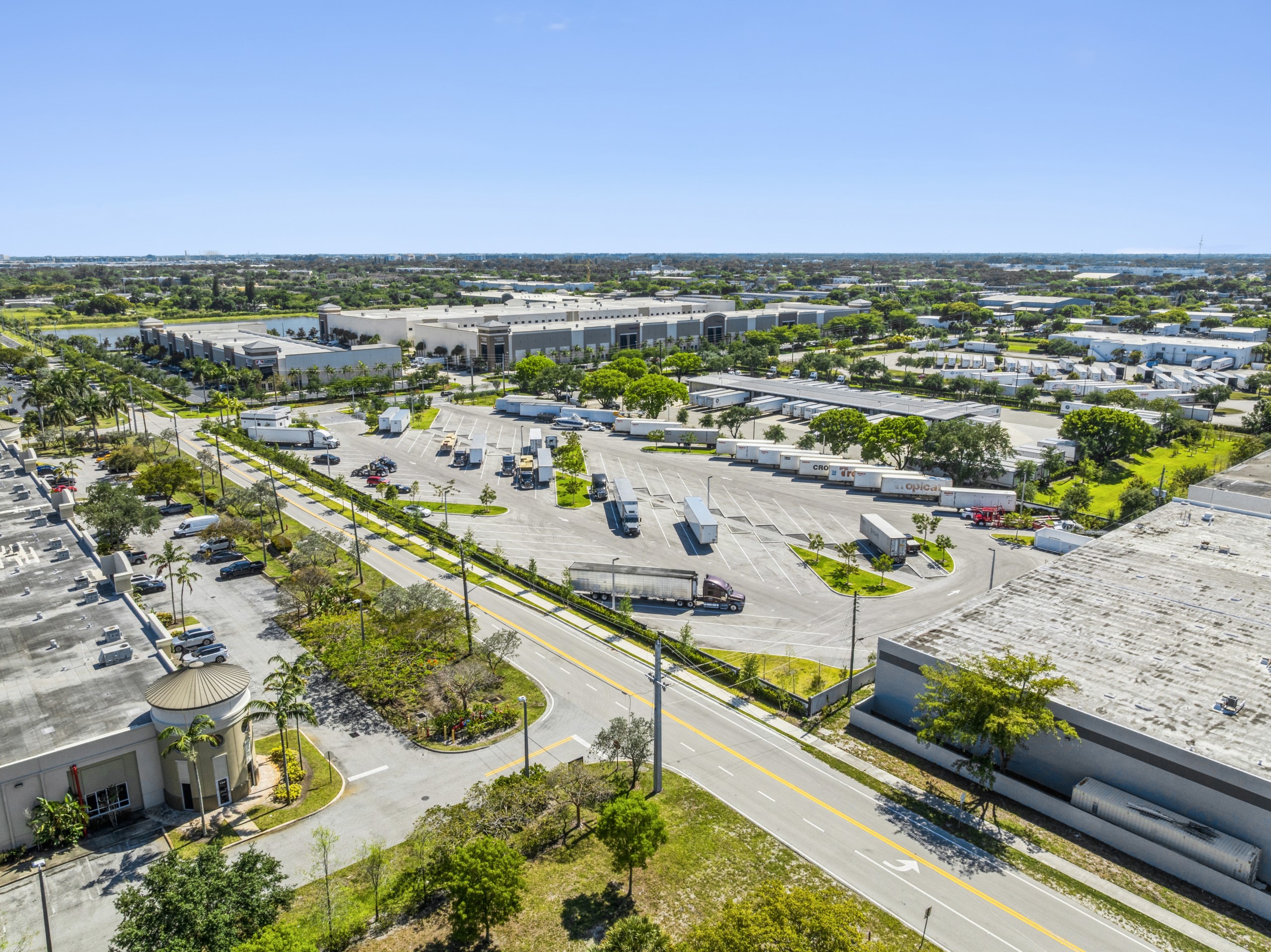
Fleets rarely consist of just standard bobtails. Comprehensive storage yards accommodate a full range of commercial equipment – offering dedicated trailer and container storage, chassis staging, and full tractor-trailer combination stalls. Structured yard layouts ensure clear drive aisles, turning radiuses, and designated spots so vehicles can maneuver safely without risk of accidental property damage.
Evaluating Storage Terms: Flexibility vs. Stability
Logistics demands change rapidly. Seasonal volume surges, changing regional contracts, and fluctuating lane demands mean fleet footprints need to adapt.
-
Monthly Truck Rentals: Securing month-to-month or recurring monthly arrangements allows carriers to scale their footprint up or down without locking into rigid, multi-year commercial real estate leases. This flexibility is especially critical for growing fleets testing new regional markets.
-
Dedicated Assigned Stalls: In high-density freight markets, guaranteed space is vital. Opting for assigned parking stalls eliminates the friction of searching for an open spot at the end of a long shift, ensuring that your designated space is always open and waiting.
How Freight Ninja Fits Into Your IOS Strategy

Finding facilities that check every single box – active security, prime location, and operational flexibility – can be challenging.
That is why Freight Ninja directly manages and operates dedicated industrial outdoor storage for trucks across major logistics corridors. By designing yards specifically for commercial equipment, offering 24/7 access, and maintaining direct, hands-on oversight, Freight Ninja eliminates the guesswork of finding safe, reliable fleet parking.
Key Takeaways for Fleet Leaders and Drivers
Selecting the right industrial outdoor storage for trucks is an investment in operational efficiency, driver safety, and cargo protection. By prioritizing secure truck parking with active security features, easy highway access, and flexible monthly terms, operators can safeguard their bottom line and eliminate one of the biggest headaches in modern transportation logistics.